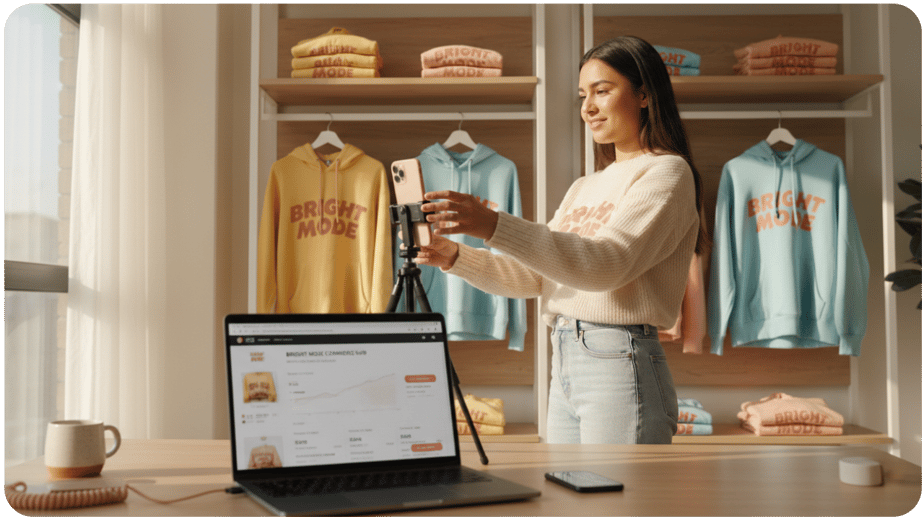
The creator economy is often discussed as a cultural movement, a shift in how people express themselves, build communities, and earn a living. But for apparel decorators, it represents something more concrete and far more demanding: a transformation of the very nature of incoming work. Creators didn't simply add a new customer type. They changed the entire rhythm of demand.
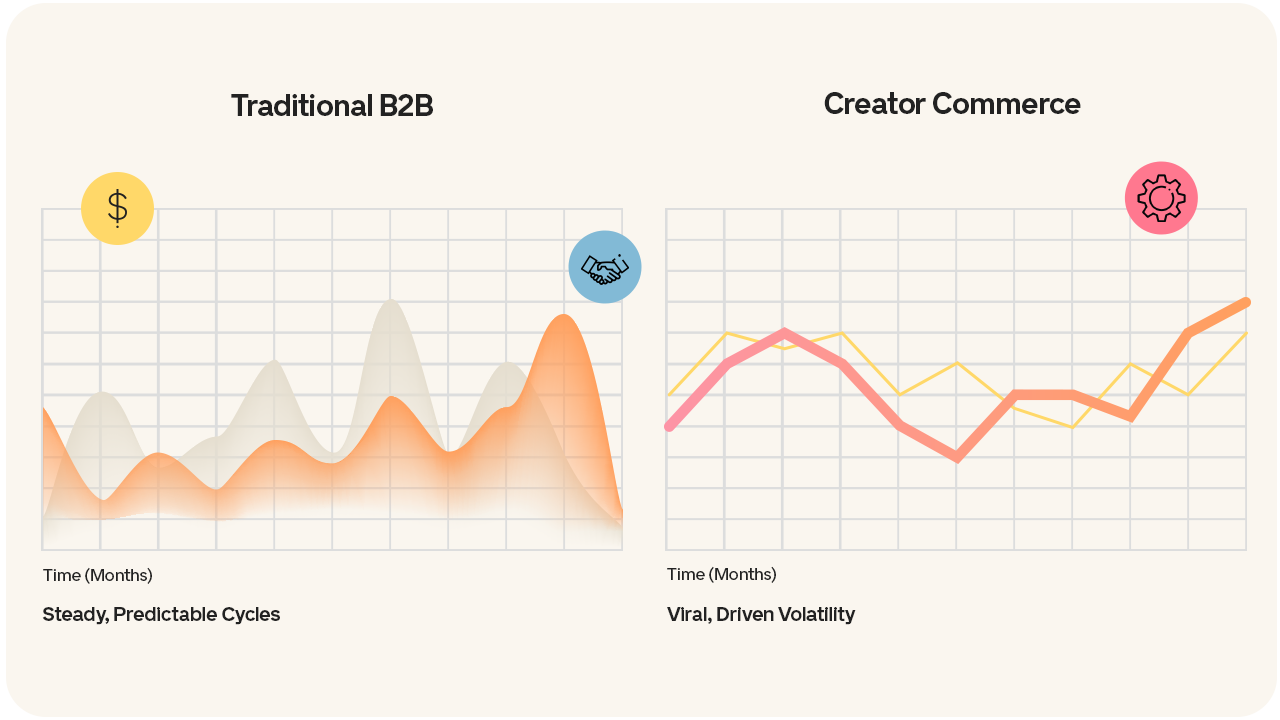
Decorators used to operate in cycles. Retail brands planned their launches months in advance. B2B clients followed seasonal calendars. Agencies announced campaigns. The work arrived in steady, predictable waves. The creator economy dissolved that predictability almost overnight. Suddenly, orders could spike at midnight because a video went viral. Designs changed weekly, sometimes daily. Product mixes expanded at the speed of platforms, not print shops.
Creators never intended to become manufacturers. Their world runs on ideas, content, and momentum, not inventory planning, procurement, or fulfilment. When they launch merchandise, they imagine creativity, not operational complexity. In their minds, a new design should travel from concept to commerce as fluidly as a TikTok transitions from draft to publish.
But behind every creator's "drop" is a PSP translating chaos into something deliverable.
The invisible workload behind creator commerce
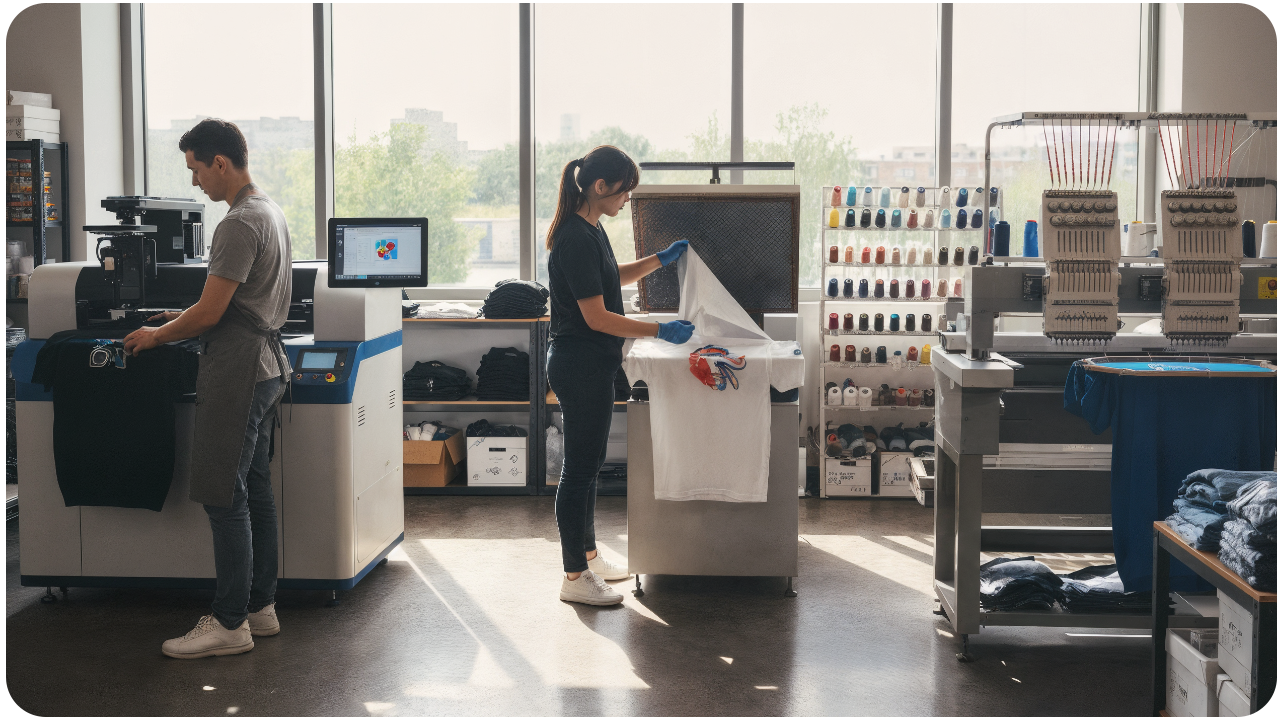
As creators moved from one-off merch drops to continuous collections, decorators became responsible for an expanding list of tasks that creators rarely see. A single product launch now requires them to receive orders from multiple storefronts, normalise inconsistent SKUs, rebuild artwork sent in non-production formats, verify blank availability, route jobs through mixed DTF, DTG, and embroidery workflows, pack individual orders, and hit SLAs shaped by ecommerce, not manufacturing.
This is where a small set of pressures began reshaping the industry:
-
Demand volatility: One viral moment can generate a week of orders in an afternoon.
-
Product fluidity: Creators constantly switch designs, colours, and formats.
-
Decoration diversity: Embroidery, DTF, DTG, patches, often all at once.
-
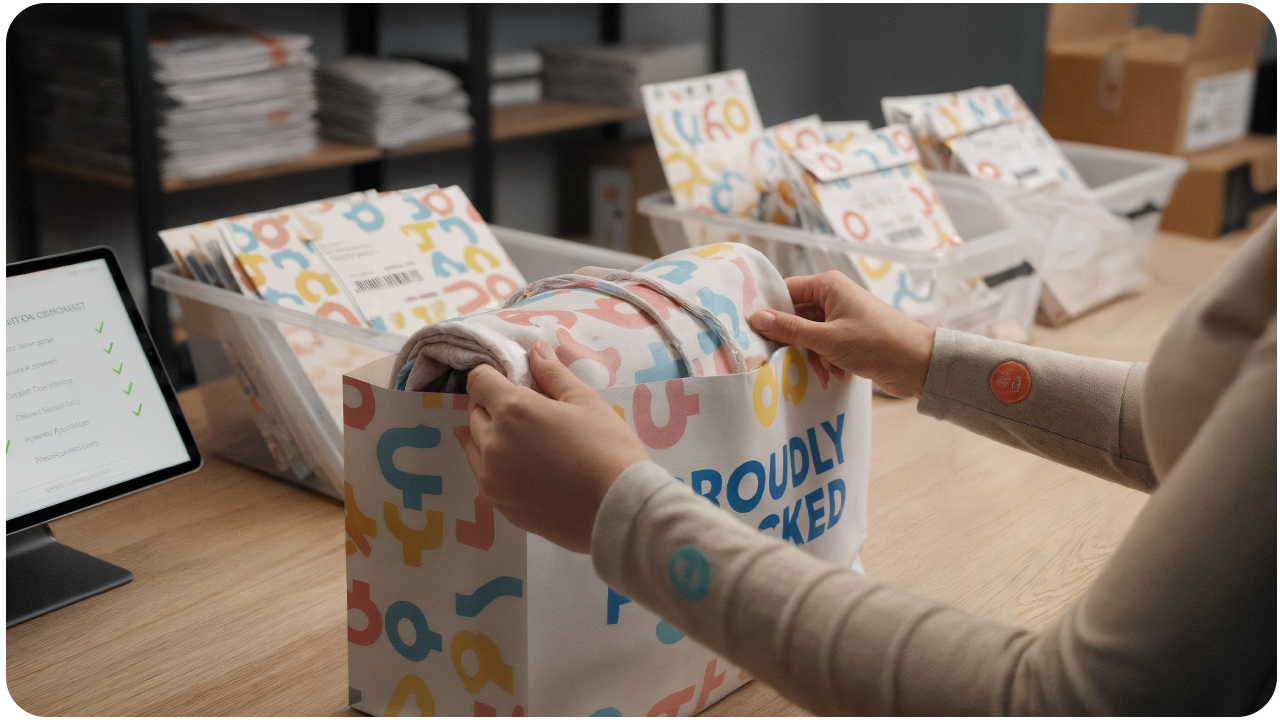
Fulfillment expectations: Fans want fast shipping, not production lead times.
Traditional workflows weren't built for this. They assumed predictability. Creator commerce requires adaptability, resilience, and speed.
PSPs as operational stabilizers
The emerging reality is that PSPs are no longer simply outputting prints. They are absorbing the turbulence of an entire digital economy. Shops that succeed in this environment aren't just efficient, they are structurally flexible. They move with creators rather than against the unpredictable currents creators create. Their systems are designed to stretch without snapping.
The role PSPs play is also far more consequential than many realise. When a customer receives a package quickly and in good condition, their satisfaction is attributed to the creator. When something goes wrong, they blame the creator too. In that sense, decorators don't just fulfil orders. They protect the reputation of the very people who depend on them. Each print becomes a piece of brand trust.
The deepening interdependence
Looking ahead, the interdependence between creators and PSPs will only deepen. Creators are scaling into multi-product lines, cross-platform storefronts, and global audiences. They're building businesses with the velocity of media companies and the merchandising sophistication of lifestyle brands, but without the infrastructure those brands typically build. They will continue to rely on PSPs not for printing, but for stability.
The decorators who understand this shift are already operating differently. They've moved beyond thinking of creator orders as "extra volume" and instead treat these customers as a force reshaping how modern production needs to function. They are investing in processes that support volatility without sacrificing reliability. They're removing manual friction so their teams can start the day printing rather than untangling yesterday's orders. They're building workflows that can handle spiky demand with the consistency of long-term clients.
Building for the scale phase
Creator commerce isn't slowing down, it's entering its scale phase. The PSPs that rise with it won't necessarily be the biggest or the cheapest. They'll be the ones who recognise that creators aren't simply another customer segment. They're a structural shift in how apparel is bought, sold, and fulfilled.

Decorators didn't choose to become the infrastructure for the creator economy. The role emerged naturally as creators pushed ecommerce into faster, more fragmented, more experimental territory. But now that the shift has happened, the shops that embrace this reality, and build for it, will be powering the next decade of creator-led brands.
As creator-led commerce evolves, the PSPs investing in flexible workflows and fast, reliable fulfilment will become the go-to partners shaping the next generation of creator brands.