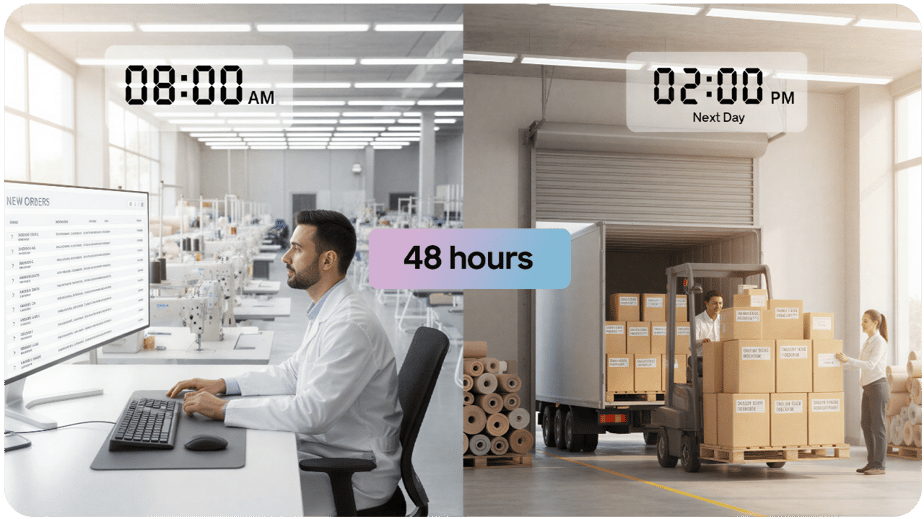
Speed has always mattered in apparel, but over the past two years it has become something more powerful: a competitive differentiator. What used to feel ambitious (a five-day or seven-day turnaround) now feels slow. The decorators gaining ground, winning bigger customers, and earning repeat business aren't necessarily those with the newest equipment or the lowest costs. They are the ones who can consistently deliver within forty-eight hours.
This shift didn't happen because production got easier. It happened because buyer expectations changed, dramatically and permanently. Whether the customer is a Shopify brand, an events company, an emerging apparel label, or a creator, they all operate in a marketplace shaped by instant gratification. People discover products on social platforms and expect to receive them quickly. Marketplaces reward fast shippers. Consumers abandon carts when delivery windows look vague or slow. And the rising tide of ecommerce has conditioned everyone to assume that customised goods should arrive almost as quickly as mass-produced ones.
The real bottleneck isn't production
Decorators feel the pressure most acutely during intake and preparation, long before anything reaches a press. The morning bottleneck is familiar across the industry: orders that need untangling, artwork that requires adjustments, blanks that need confirming, jobs that must be sequenced and routed. By the time production actually begins, the day is already compressed. It isn't the machines slowing the process. It's everything upstream of them.
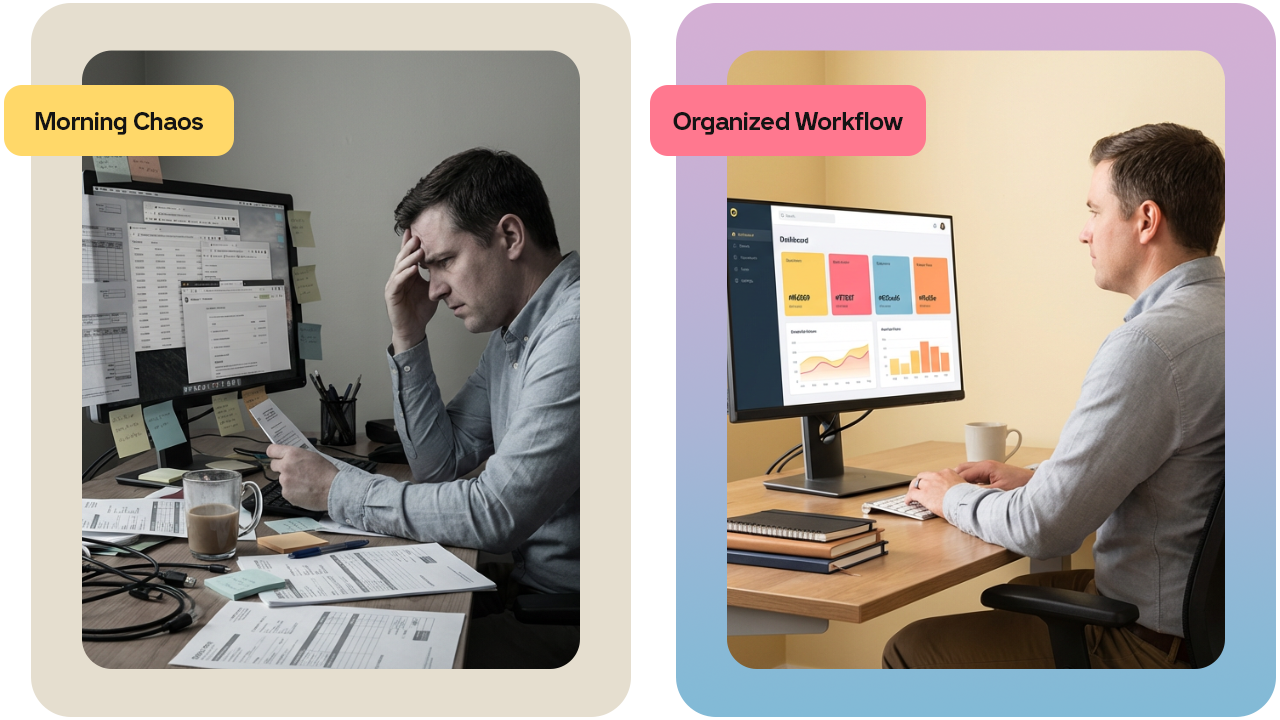
The fastest decorators work differently. They don't rely on last-minute decisions or heroic sprints at the end of the day. They build clarity into the system itself. Workflows are designed to start clean, not become clean. Orders arrive in a standardised way. Artwork is pre-checked or prepared automatically. Inventory is validated continuously rather than reactively. Jobs begin the day ready for production instead of waiting for a round of manual triage.
Engineering out friction
This is where the difference emerges between a shop that occasionally achieves a fast turnaround and one that does so consistently. The latter isn't running faster. It's built differently. It has engineered out as many sources of friction as possible.
You can usually tell when a decorator has made this shift, because a few recognisable patterns show up on the production floor:
-
The day starts early and calmly. Operators walk in and begin printing, not deciphering orders.
-
Production has momentum. Jobs flow smoothly from intake to print to packing without stop-start disruptions.
-
Bottlenecks are predictable rather than surprising. Issues are identified hours earlier, not minutes before dispatch cut-off.
The result is not only speed, but stability. The more consistent the workflow, the less firefighting the team does. Stress levels fall. Accuracy rises. And capacity increases, not by adding headcount or equipment, but by removing friction that wasted hours each day.
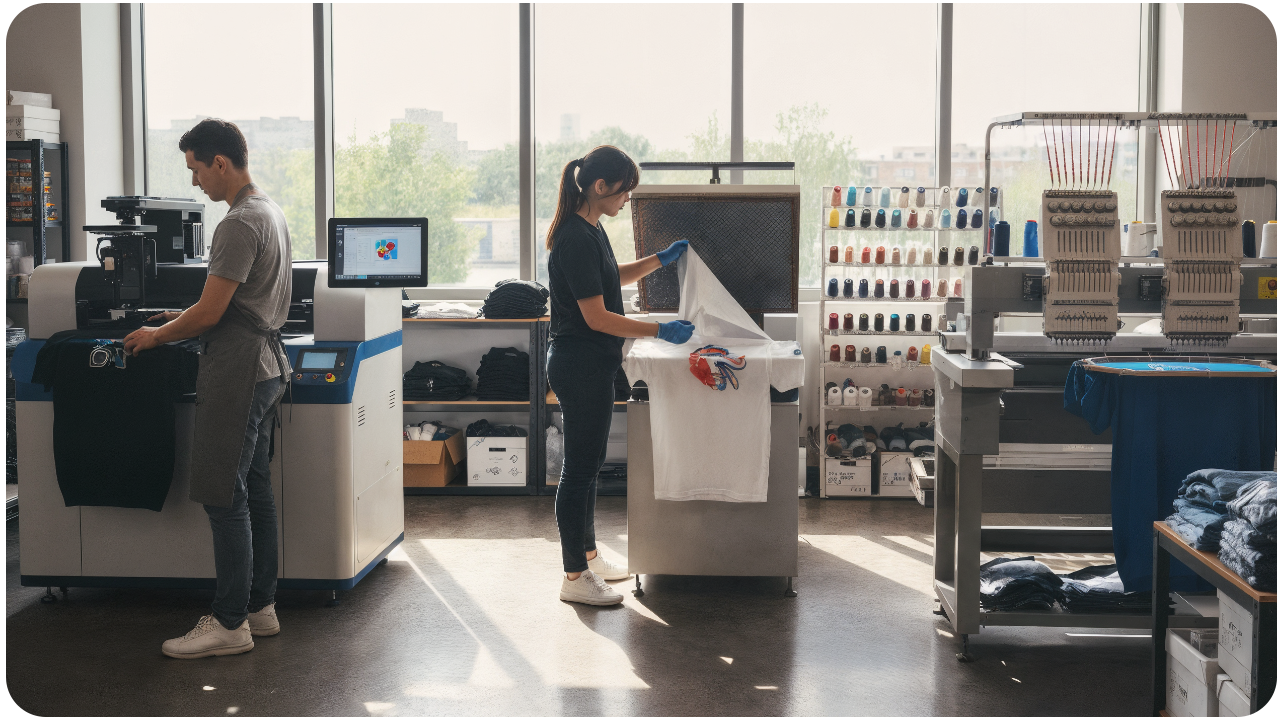
Speed compounds into reputation
What makes speed so powerful in today's market is the compounding effect it has on everything else. When a decorator consistently hits tight SLAs, they earn the trust of the customers who depend on them most. Brands that release new products frequently begin routing more of their catalogue to a shop that's reliably fast. Ecommerce sellers prioritise decorators who help them protect their conversion rates. Agencies and partners send more work to the producers who don't miss deadlines. Even the team inside the shop benefits, because a smooth daily rhythm reduces overtime, stress, and burnout.
Speed becomes reputation, and reputation becomes deal-flow.

This is why the gap between fast and slow decorators is widening. Buyers have choices, and they gravitate toward partners who give them operational confidence. Slow fulfilment increasingly feels like a risk, especially in a world where social platforms, online storefronts, and retail partners all measure performance in days, not weeks.
Building for what comes next
Looking ahead, the demand for rapid fulfilment will continue to intensify. Social commerce will get faster. Marketplaces will tighten delivery standards. Customisation will become more mainstream. The shops that can produce quickly without sacrificing quality will be positioned to capture the most valuable kinds of customers: the ones launching frequently, scaling rapidly, and operating with high expectations.
But the real opportunity isn't just in meeting today's turnaround standards. It's in building an operational foundation that can adapt to whatever expectations come next. Those expectations might involve even tighter windows, more personalisation, or more complex product mixes. They might require multi-site fulfilment or more sophisticated routing. They might demand global reach. The decorators who thrive will be those who have already shifted from heroic effort to engineered efficiency.

Speed is no longer an output of hard work. It's a reflection of how well a shop is designed to operate. And in today's market, that design is becoming the difference between decorators who keep up and decorators who lead.
Find out how you can keep ahead of the market with GelatoConnect specifically designed for Apparel decorators.


-3.webp?width=1024&height=1024&name=download%20(10)-3.webp)